Build an equipment schedule that reflects use
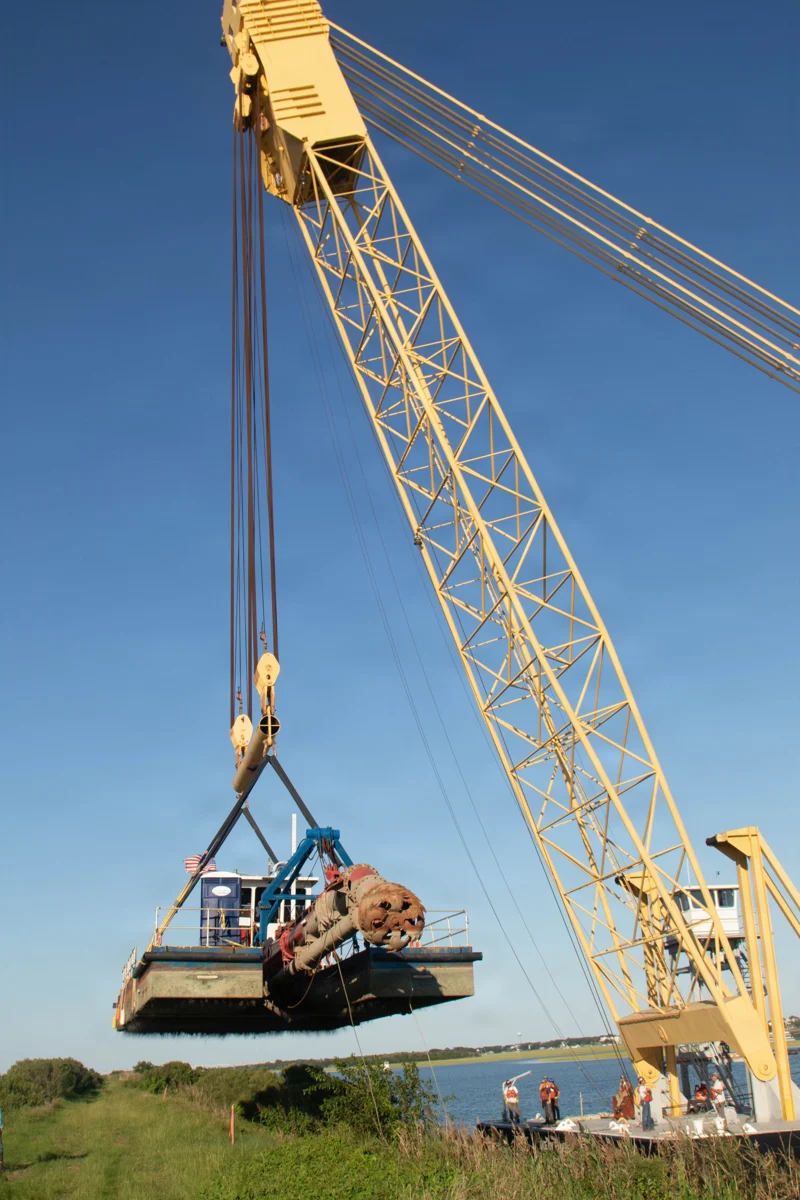
Identify owned, leased, rented and borrowed equipment, including cranes, pile-driving equipment, pumps, dredging components and survey instruments. Record values, serial numbers and operating locations. Separate the barge from machinery mounted on it and explain whether an item is permanently installed or routinely moved ashore. Ask which policy is intended to cover each asset. This avoids relying on an inland marine label for equipment that operates afloat or underwater.
Explore the loss scenarios explicitly
Discuss sinking, overturning, flood, windstorm, transit, loading and unloading, lifting and retrieval expenses. Waterborne use, underground work, wear, mechanical breakdown and damage to property being lifted can receive different treatment under different forms. A broad equipment description does not erase exclusions. Review valuation, deductibles, catastrophe restrictions, temporary replacement costs and loss-of-use questions. If a project depends on one specialized unit, examine the financial effect of a lengthy repair separately from the physical damage limit.
Coordinate rentals, transport and contracts
Provide rental agreements and transportation arrangements before equipment is mobilized. The agreement may impose responsibility beyond the insurance purchased, including continuing rental charges or a specific valuation obligation. Clarify who insures a crane during barge loading and whether a hauler's liability is sufficient for the potential loss. Keep condition photographs, inspection records and maintenance documentation. Review newly acquired equipment reporting requirements so an urgent purchase or replacement is not overlooked during a project.
Questions worth asking
Does contractors equipment insurance always cover use on a barge?
No. Waterborne use must be described and the form reviewed for applicable exclusions, conditions and endorsements.
Is rented equipment covered at the amount required by the rental agreement?
Not necessarily. Compare the rental obligation, insured value, deductible and any continuing rental or loss-of-use provision.