Describe the dredging method
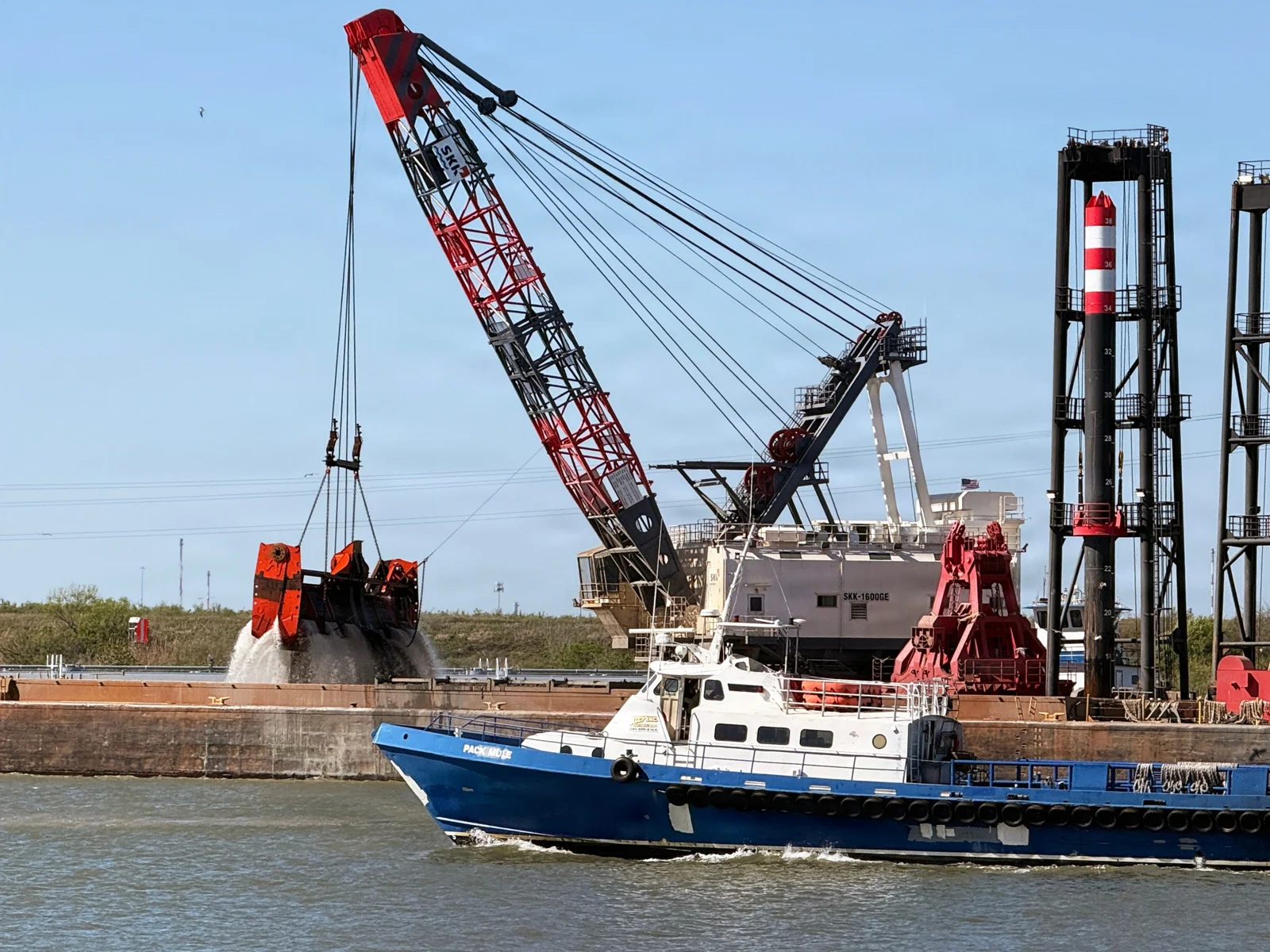
Hydraulic dredging, mechanical excavation and maintenance dredging present different equipment and liability questions. Explain the depth, expected sediment, production method, disposal arrangement and traffic around the work. A cutter suction dredge connected to a discharge pipeline differs from a crane barge loading material into scows. Include mobilization, towing and demobilization in the description rather than treating them as incidental activities outside the project.
Connect the policies across the operation
The hull, machinery, pipeline, barges and shore equipment may require different insurance treatment. Review which items are scheduled, where navigation is permitted and how towing, grounding, sinking, salvage expense and equipment breakdown are addressed. Pollution review should distinguish fuel releases from disturbed contamination, transported spoil and disposal-site exposures. General liability, hull, P&I and contractors pollution policies should be examined together; one policy name does not establish a complete dredging program.
Prepare an underwriting-ready account of the work
Useful information includes the equipment schedule and valuations, dredging method statements, representative contracts, sediment reports available to the contractor, disposal agreements, subcontractor scopes and loss history. Describe crew duties aboard each vessel and the work performed ashore. Identify responsibility for survey accuracy, production guarantees and damage to utilities or neighboring structures. Discuss weather evacuation and machinery recovery arrangements before a project starts. These details help a broker raise specific coverage questions instead of relying on broad operation labels.
Watch the related Montridge video
Dredging Contractor Insurance: Coverage for Marine, Equipment, Pollution & Crew Risks
Watch on YouTube ↗Questions worth asking
Does equipment insurance automatically cover a dredge?
No. Confirm the insured property description, scheduled values, waterborne restrictions and applicable hull or equipment form. A land-equipment policy should not be assumed to cover a floating dredging plant.
Why does the disposal destination matter?
The contractor may transport, handle or arrange disposal of material with contamination exposures. Contracts, testing information and disposal responsibility help identify where pollution coverage and environmental advice need closer review.