Describe the operation accurately
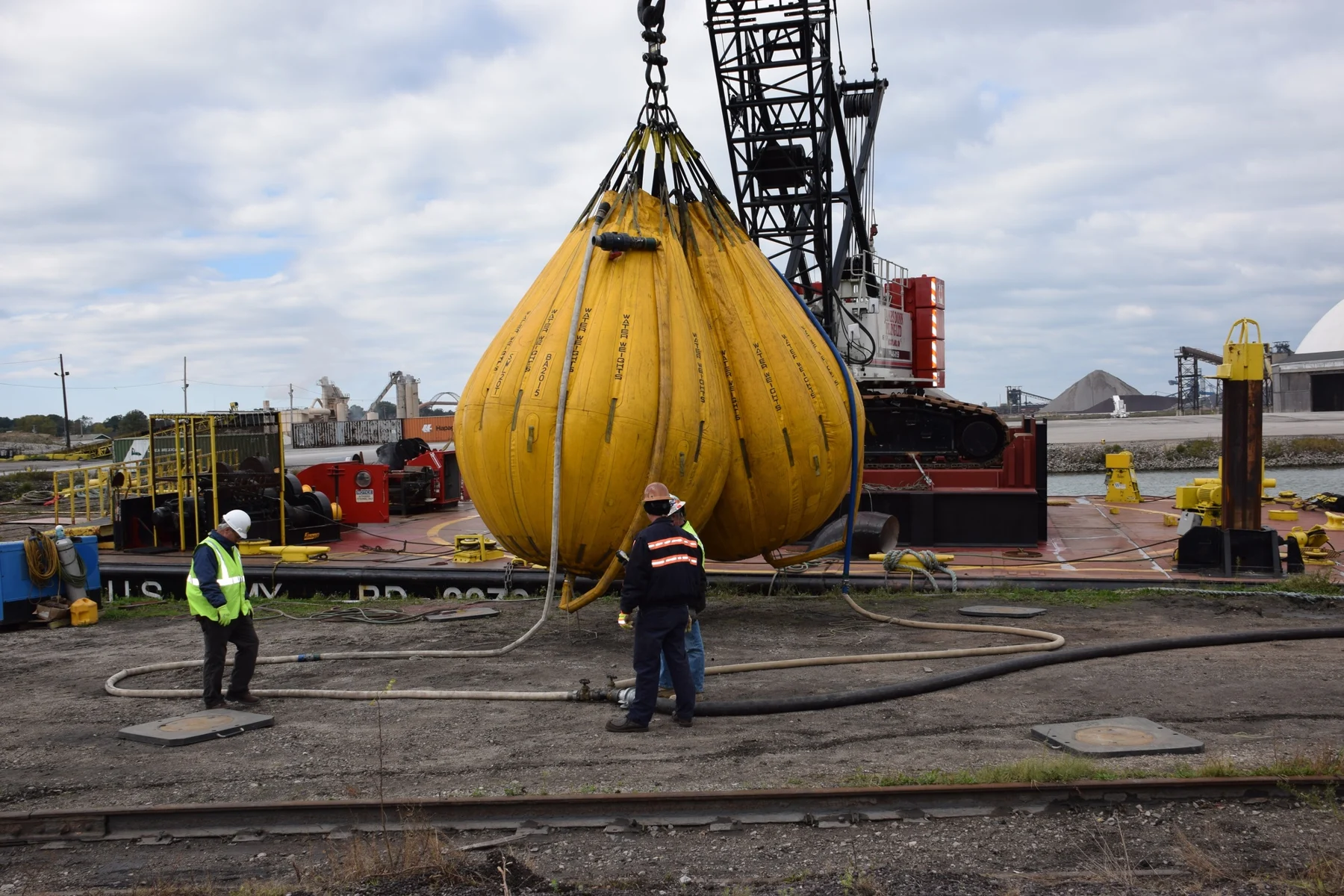
A marine safety submission should explain where employees work, how they transfer between shore and vessels, what equipment they operate and who supervises subcontractors. Discuss lifting, falls into water, vessel movement, electrical hazards, hot work, enclosed spaces and diving only where relevant. General office safety documentation does not describe a crane-barge or ship-repair operation.
Use the right regulatory references
OSHA maintains distinct maritime resources for shipyard employment, marine terminals and longshoring, alongside construction and commercial diving standards. Which rules apply depends on the work and jurisdiction. The official resources linked below are a starting point for qualified safety review, not a site-specific compliance finding. Coast Guard responsibilities and state-plan requirements may also need consideration.
Show implementation, not just a manual
Useful underwriting information can include training records, inspection practices, equipment maintenance, lift planning, emergency drills, subcontractor controls and incident follow-up. Explain how plans are updated for weather, water conditions and changing work fronts. Describe stop-work authority and communication between shore personnel, vessel operators and contractors. Do not claim certifications or successful audits that cannot be documented.
Connect safety and insurance conversations
Review new equipment, new work methods and subcontracted activities before deployment. The insurer’s accepted operations description and relevant exclusions should reflect the business as it actually operates. A favorable safety record can inform underwriting, but it does not guarantee terms, pricing or claim payment.
Questions worth asking
Does an insurance inspection certify regulatory compliance?
No. Insurance risk review and legal compliance review have different purposes and scopes.
Which safety records are useful at renewal?
Current operation-specific procedures, training and inspection records, maintenance information, incident history and evidence of corrective actions.
Official references
Sources support the related legal or safety topic. Policy review points are general educational guidance.
OSHA maritime compliance resources ↗OSHA commercial diving standards ↗