Compare the underlying purposes
The Longshore Act establishes a federal compensation framework for covered maritime employees. The Jones Act allows qualifying seamen to pursue employer negligence claims. The Longshore Act excludes masters and members of a vessel's crew; that exclusion is central to distinguishing the regimes. Neither framework applies merely because a worker can see water. Employment duties, vessel connection, location and applicable law must be evaluated before selecting the insurance response.
Do not confuse MEL with either statute
Maritime Employers Liability refers to insurance coverage terminology, not a third statutory benefit system. It may be relevant to an employer's maritime liabilities depending on the activities and form. P&I may also address crew liabilities in the insured's vessel-related capacity. A coordinated program needs to identify the employer, vessel interests and actual work, then compare the coverage terms. Purchasing a policy with a familiar maritime label does not settle the employee's classification.
Plan for a workforce with different assignments
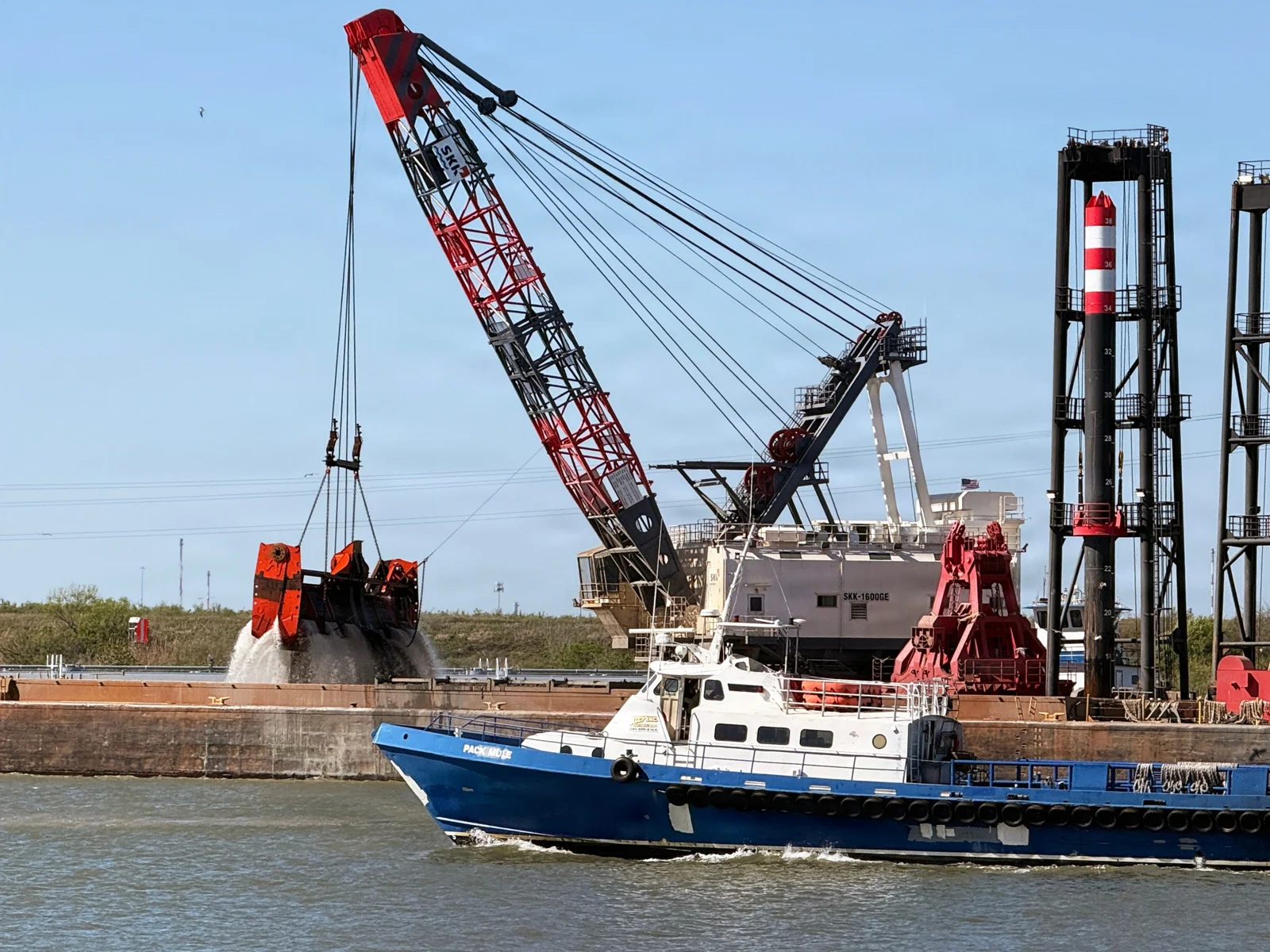
A marine construction business can employ people whose duties raise different compensation and liability questions. Describe land-based fabrication, harbor construction, dredge crews and temporary vessel assignments separately. Maintain duty and location records and communicate operational changes before the next project. Ask maritime counsel to resolve difficult classification issues and have the broker coordinate the proposed insurance. An educational comparison is a starting point for that review, not a tool for issuing a binding coverage or legal determination.
Questions worth asking
Can a contractor simply purchase one instead of the other?
Not safely as a general rule. The necessary protection depends on the employer's actual obligations and workforce.
Is a barge worker always a Jones Act seaman?
No. Vessel status and the worker's substantial employment connection require a fact-specific legal assessment.
Official references
Sources support the related legal or safety topic. Policy review points are general educational guidance.
U.S. Department of Labor: Jones Act and Longshore distinction ↗Supreme Court: Chandris v. Latsis ↗