Questions worth asking
Is marine contractor insurance a single standard policy?
Usually the discussion involves several insurance lines and endorsements. The appropriate structure depends on employee duties, vessels, equipment, contracts and environmental exposures.
Does work near water automatically require USL&H?
No. The applicable legal analysis considers the work, location and other circumstances. Some workers are excluded; seaman-related liability is a separate issue. Obtain a review of actual duties.
Can we use a land-based equipment policy for a crane on a barge?
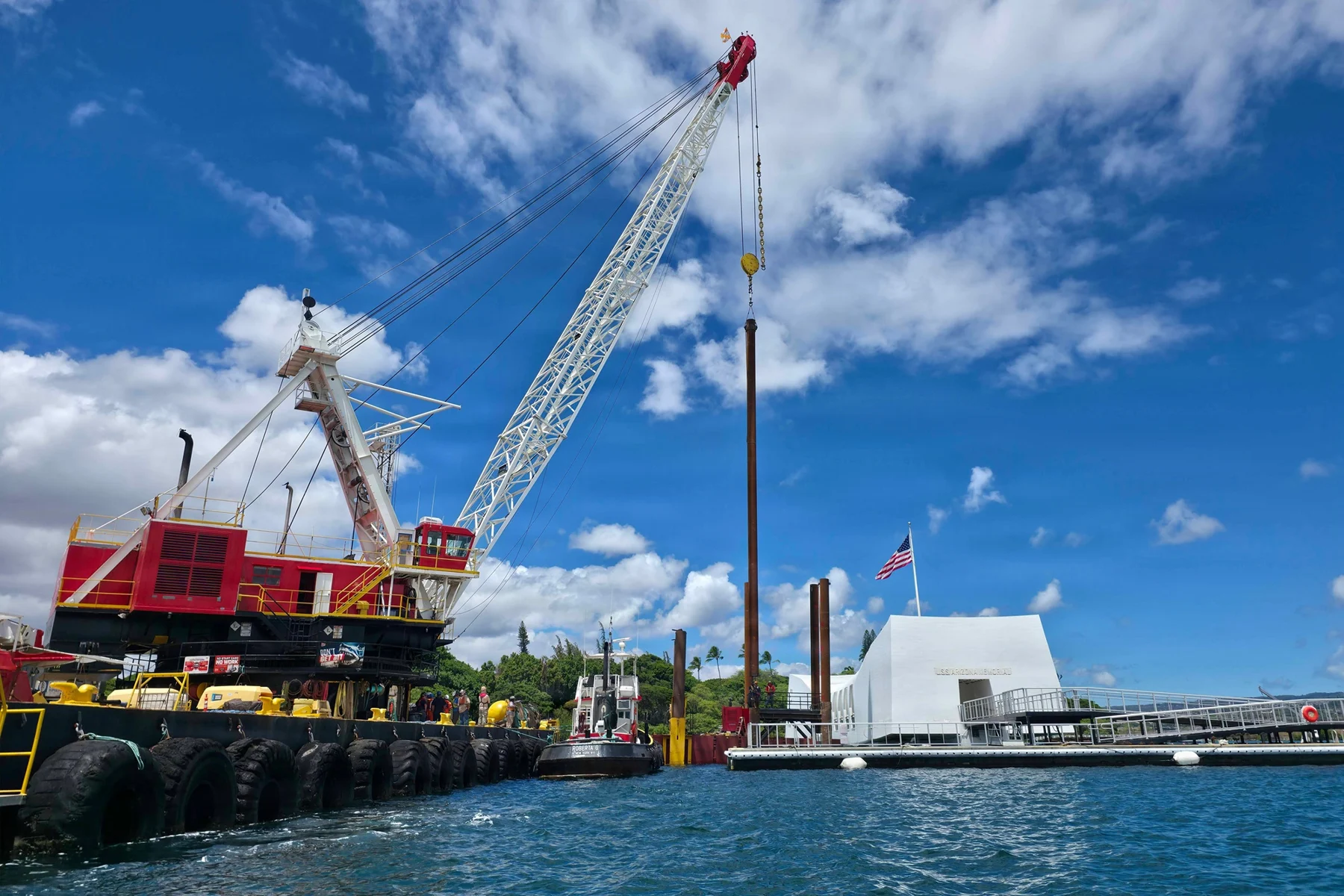
Do not assume so. Discuss use afloat, loading, transit, salvage, water damage, valuation and the relationship between crane and barge policies.
Is a contractual pollution requirement satisfied by general liability?
Do not assume it is. Compare the requirement with the actual exclusions and any applicable pollution coverage, including vessel and shore-based activities.
Are USL&H and Maritime Employers Liability interchangeable?
No. USL&H concerns statutory Longshore benefits; MEL describes insurance arrangements for certain maritime employer liabilities subject to wording. Review the actual exposures and policy.
Does the website offer immediate quotes or bind coverage?
No. Availability and terms require review, appropriate authorization and underwriting. Website information and scheduling do not bind insurance.
What should we do when a project changes?
Tell the broker about material changes before the new work begins where possible. New vessel use, diving, demolition, disposal methods or design duties may need underwriting attention.
Where can we find regulatory guidance?
Relevant pages link to official DOL, OSHA and EPA resources. Use qualified legal and safety advisers for the requirements applicable to your specific operation.