Describe the recovery assignment
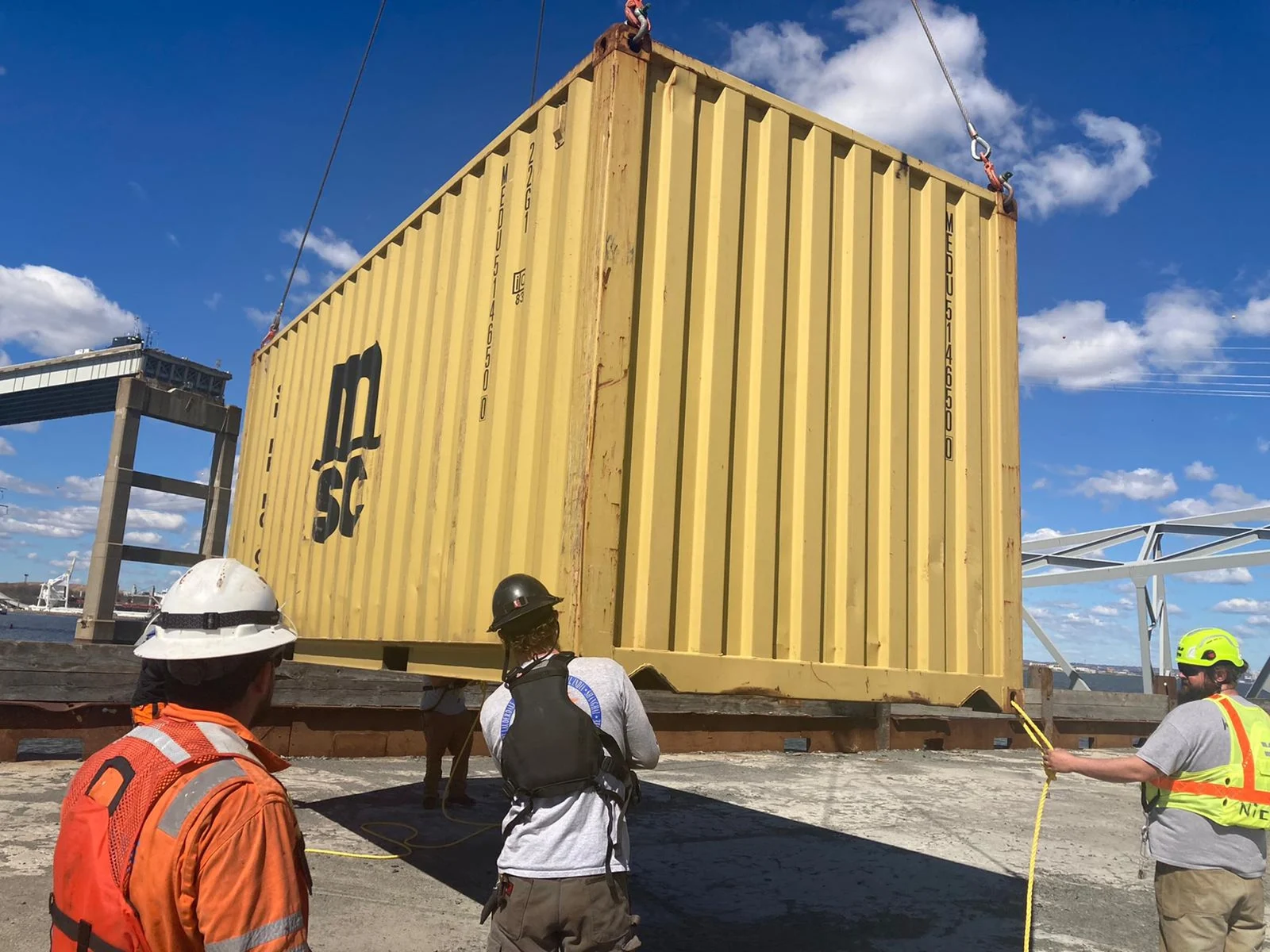
Recovering equipment from shallow water differs from refloating a damaged vessel or removing wreckage near an active channel. Explain the condition of the property, known contaminants, proposed recovery method, water depth and expected use of divers, cranes or towing vessels. Identify who owns the casualty and who has authority to direct the work. Emergency mobilization should not obscure the need to understand the contract and the contractor's responsibilities.
Examine casualty, pollution and custody questions
A salvage operation can involve existing damage, additional damage during recovery, fuel releases and liability to other waterway users. Review applicable liability coverage, equipment insurance and vessel arrangements together. Clarify treatment of property in the contractor's care, custody or control, wreck removal expense and pollution response. Do not treat salvage compensation terms, a contractual indemnity or a customer's insurance certificate as an insurance coverage determination. Specialized contract advice may be needed before accepting an unfamiliar recovery agreement.
Document assumptions and changing conditions
Gather photographs, casualty information, available surveys, equipment values and the proposed scope. Record assumptions about structural integrity, hazardous contents and access, then explain how new information will change the plan. Provide subcontractor scopes and insurance details for divers, towers and lifting contractors. Discuss reporting procedures if additional damage or contamination is discovered. A clear record of the assignment and its limitations supports both underwriting and later communication when the recovery conditions differ from initial expectations.
Questions worth asking
Will ordinary marine construction coverage include salvage?
It should not be assumed. Salvage activities, property interests and contractual obligations need to be disclosed and compared with the issued coverage.
Why identify damage that existed before recovery?
It helps distinguish the original casualty from allegations arising during the contractor's work and gives insurers a clearer understanding of the assignment.