Map the release pathways
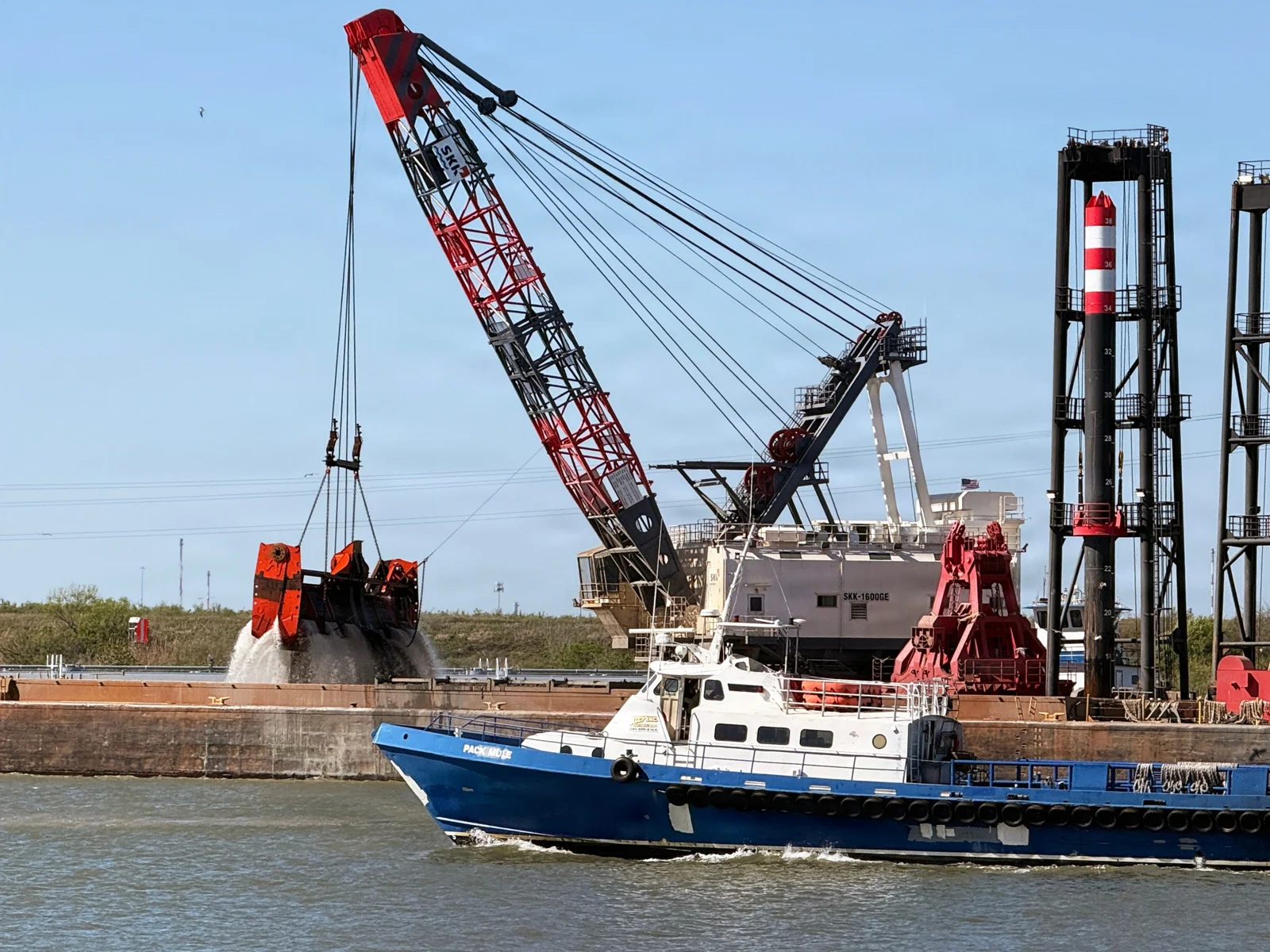
Start with the materials disturbed, stored, transported and disposed of during a project. Describe sediment testing, hydraulic fluids, vessel fuel, contaminated debris and subcontracted disposal. A release may affect water, shoreline property, neighboring operations or a disposal facility. Distinguish the contractor's operations from pollution associated with owning or operating a vessel. A single project may involve both contractor pollution and vessel pollution questions, with different insured entities and contractual responsibilities.
Read the scope of the proposed protection
Ask how the policy defines pollution conditions, covered operations, cleanup costs and third-party injury or damage. Review transportation, non-owned disposal sites, emergency response costs and completed operations where those exposures exist. Confirm triggers, retroactive dates, discovery and reporting requirements, exclusions and any sublimits. These items are negotiation and comparison questions; they are not automatic features of every pollution policy. A limited pollution exception in another liability form should not be assumed equivalent to dedicated protection.
Connect coverage to response planning
A practical review includes environmental reports, permits, waste profiles, disposal contracts and the emergency response plan. Identify who can retain a response contractor and who must notify insurers and public authorities. Insurance notice and regulatory reporting are different obligations. Emergency action should protect people and the environment while preserving records and coordinating with applicable responders. Discuss consent requirements and cost documentation before an incident, and seek legal advice on responsibility allocations in project contracts.
Watch the related Montridge video
Marine Contractor Pollution Insurance: Spill, Environmental & Cleanup Liability Explained
Watch on YouTube ↗Questions worth asking
Does pollution liability guarantee payment of fines?
No. Fines and penalties raise policy wording and legal insurability questions. They should never be assumed covered.
Does a vessel pollution policy automatically cover contaminated dredged sediment?
No. The insured capacity, cause of release, material, operations and relevant exclusions must be compared across the proposed forms.
Official references
Sources support the related legal or safety topic. Policy review points are general educational guidance.
EPA: oil spill and hazardous substance reporting ↗