Identify vehicles and transportation responsibilities
Prepare a schedule of trucks, service vehicles, trailers and drivers. Explain equipment hauling, fuel or material delivery, employee use of personal vehicles and hired vehicles. Clarify whether the contractor transports its own property or moves property for others. Vehicle liability, vehicle physical damage and cargo or equipment damage are different subjects. The hauler's certificate alone does not establish that the value of a dredge component or crane is protected during transit.
Review the transfer points
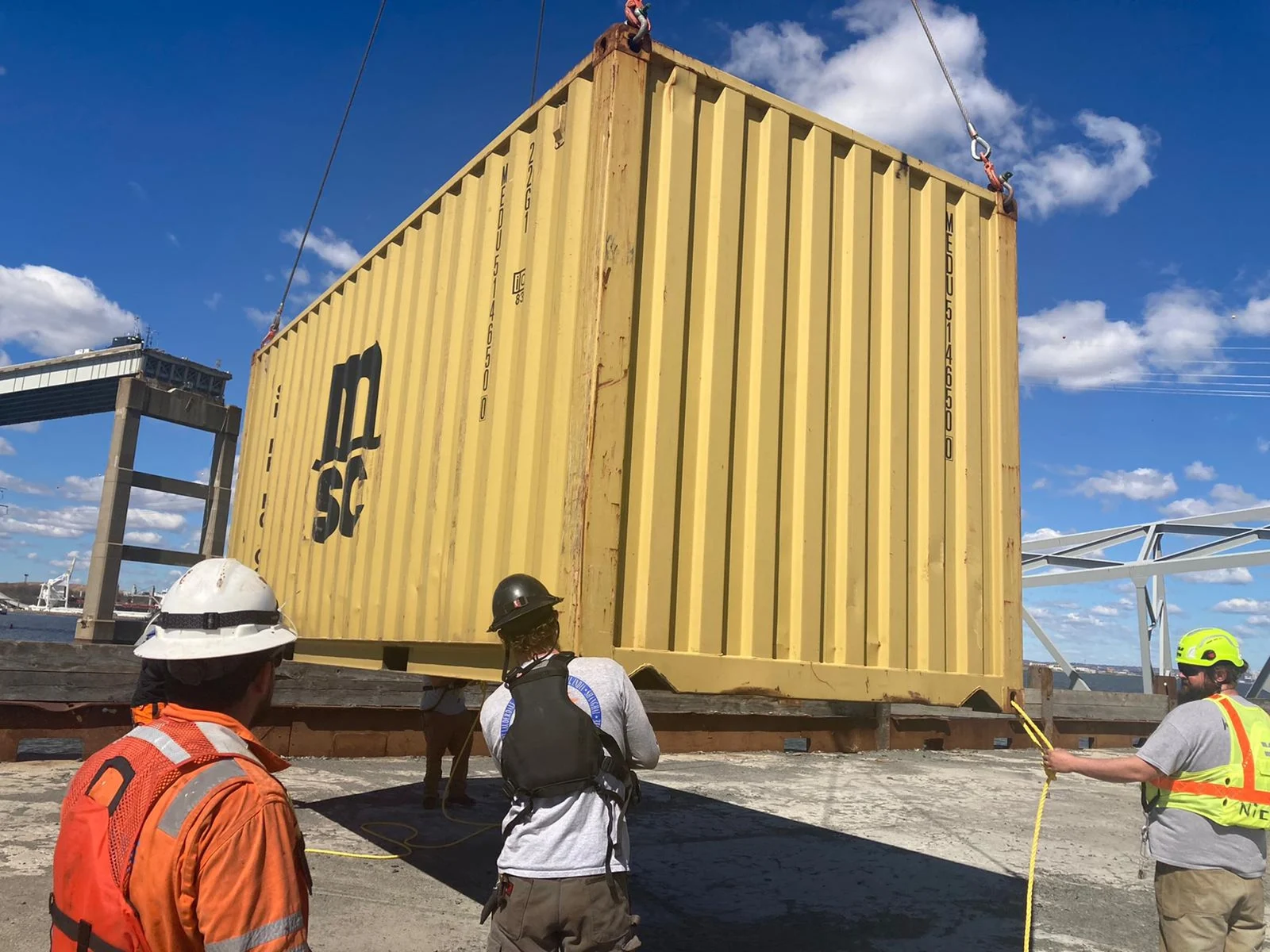
Loading onto a trailer, unloading at a waterfront site and lifting onto a barge can involve multiple policies and responsible parties. Ask how the auto, general liability, equipment and marine policies treat those activities. Review the distinction between mobile equipment and covered autos under the actual forms. Special permits, route surveys and escort arrangements belong in the operational plan, but their existence does not guarantee insurance for a loss or assumed contractual liability.
Consider hired, non-owned and excess arrangements
Discuss employee errands, rental trucks and subcontracted hauling with the broker before relying on a broad business description. Review who is an insured, covered auto designations, contractual requirements and applicable limits. If a project requires higher auto liability limits, confirm that the excess policy schedules the correct underlying coverage. Maintain driver qualification, vehicle maintenance and accident reporting practices. Regulatory requirements for particular transportation activities should be checked separately with the relevant authorities and transportation advisers.
Questions worth asking
Does commercial auto cover the contractor's equipment being hauled?
Not automatically. Damage to the load generally requires a separate review of equipment, cargo or other property insurance.
Does an umbrella automatically extend over every hired truck?
No. Both the primary auto coverage and the excess attachment, exclusions and insured definitions need to be checked.