Define the property and project period
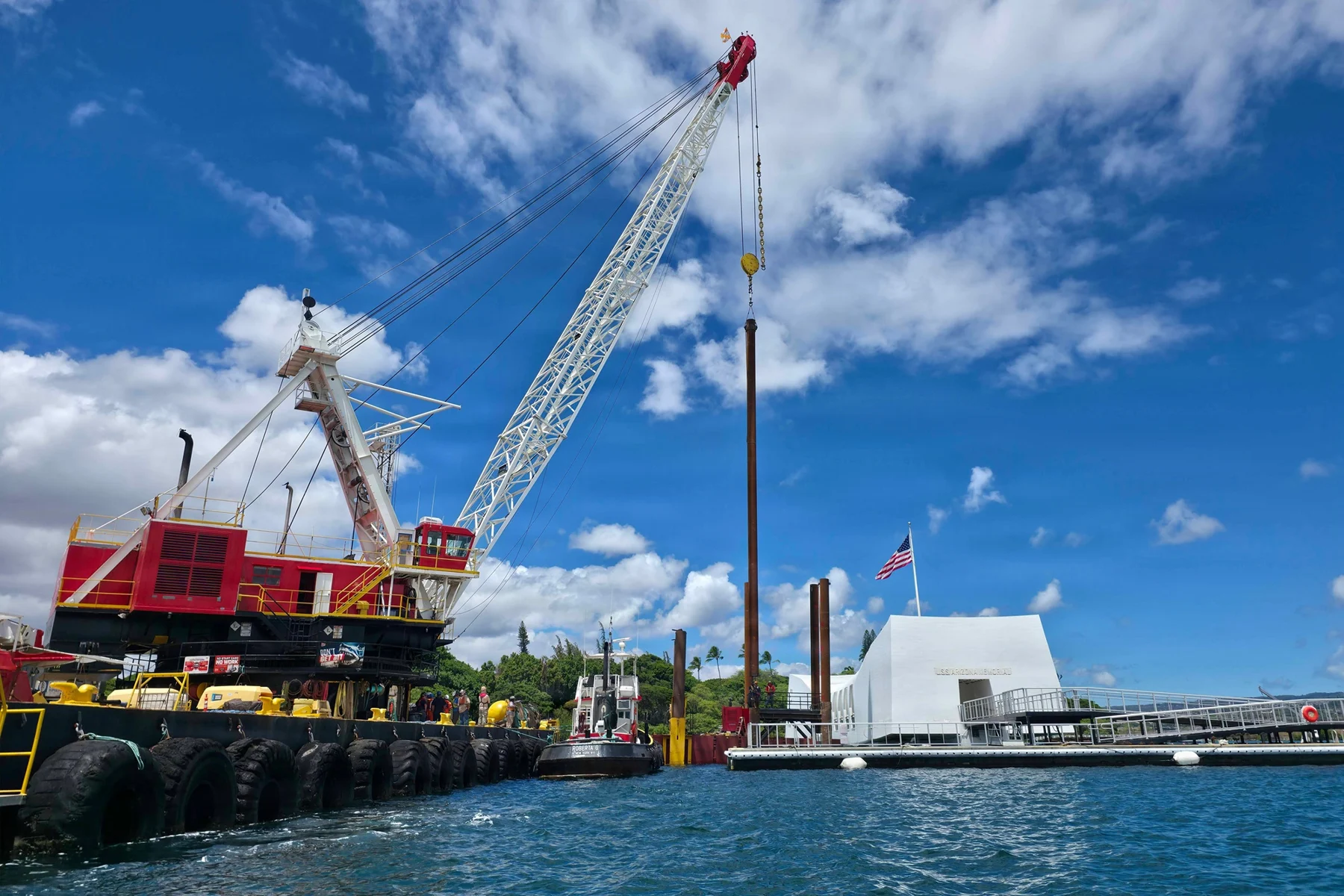
Builders risk or another project property form may be considered for physical loss to the work under construction. Identify the project owner, contractor interests, materials, temporary works and existing property. Explain work below or over water, off-site fabrication, storage and transit. A land-based construction form should not be assumed suitable for a waterfront project. Review when coverage begins, how values are reported and what ends or changes coverage, including acceptance, use or partial occupancy.
Examine coastal and construction exposures
Discuss flood, wave action, windstorm, named storms, collapse, debris removal and the consequences of faulty work. Terms vary and some exposures may be restricted or excluded. Existing structures, dredged channels, temporary cofferdams and underwater materials deserve explicit treatment. Delay-related financial loss is a separate question and should not be inferred from a physical damage limit. Establish which party insures the contractor's cranes, barges and other equipment used to perform the work.
Coordinate with the construction agreement
Determine who purchases project insurance and which parties must be insured. Review deductibles, loss settlement, permission to occupy and responsibility for uninsured loss with the owner and counsel. Keep the values current as change orders alter the work. Share the construction schedule and catastrophe preparations with the underwriter. A vessel being built may require vessel builders risk rather than the same form used for a fixed waterfront structure; describe the subject matter precisely.
Questions worth asking
Does builders risk insure the contractor's barge?
Usually that requires a separate review of vessel and equipment insurance. The project policy's property definition controls.
Are flood and storm surge automatically included for a coastal project?
No. Confirm the covered causes of loss, exclusions, deductibles and any catastrophe sublimits before relying on the policy.