Describe the work as it occurs
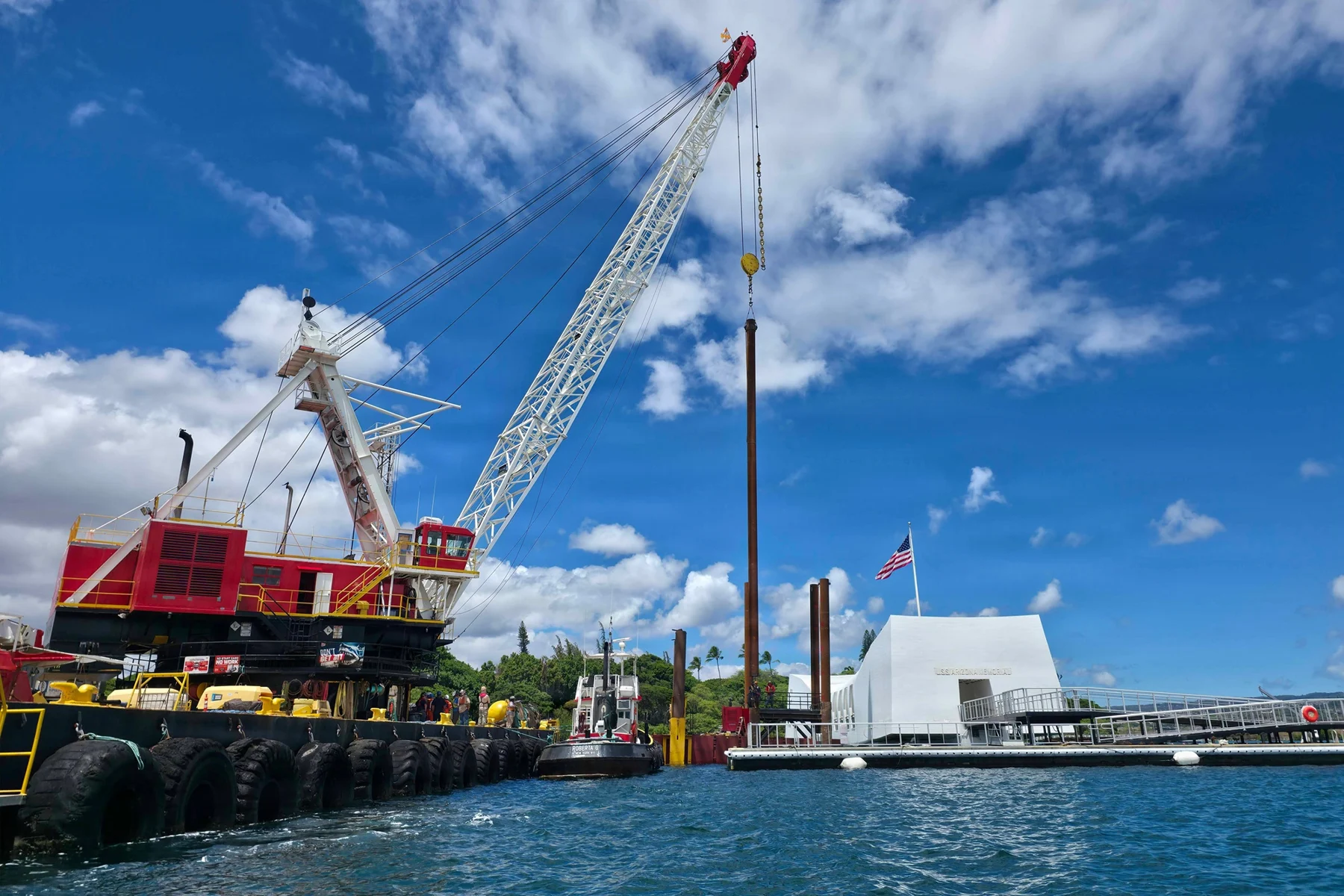
Build a duty map showing shop work, road travel, waterfront installation, vessel maintenance and crew assignments. Identify the locations and frequency of each activity. Avoid treating every employee as exclusively land-based because the company has a shop, or exclusively maritime because it owns a barge. Legal classification can depend on more than the task performed at one moment. A careful operational description is more useful than a broad trade label.
Make payroll records support the facts
Ask the insurer how payroll should be recorded and allocated for audit purposes. Keep records detailed enough to support the agreed method, including project assignments and duties. Premium classification and legal worker status are related but different questions; an accounting allocation does not decide entitlement under a statute. Explain temporary labor, working supervisors and officers, and document changes in responsibilities. Do not create artificial allocations after a loss or assume that occasional exposure can be ignored.
Create a change-notification routine
Before a crew starts a new waterfront assignment, review whether its existing insurance arrangements remain appropriate. Changes in vessel use, duties, jurisdiction or labor supplier can matter even when revenue is unchanged. Discuss state compensation, Longshore and maritime employee liability together and involve counsel in uncertain status questions. Keep the resulting coverage instructions and reporting contacts accessible to operations staff. This makes a project change a planned insurance conversation instead of an issue discovered during a claim or audit.
Questions worth asking
Can payroll allocation alone determine whether Longshore applies?
No. Legal applicability depends on facts and law; payroll records support underwriting and audit but do not replace that determination.
Should a short waterfront assignment be disclosed?
Yes. Describe it accurately so the broker, insurer and legal adviser can assess its significance.
Official references
Sources support the related legal or safety topic. Policy review points are general educational guidance.
U.S. Department of Labor: Longshore insurance coverage questions ↗