Define the demolition method and surroundings
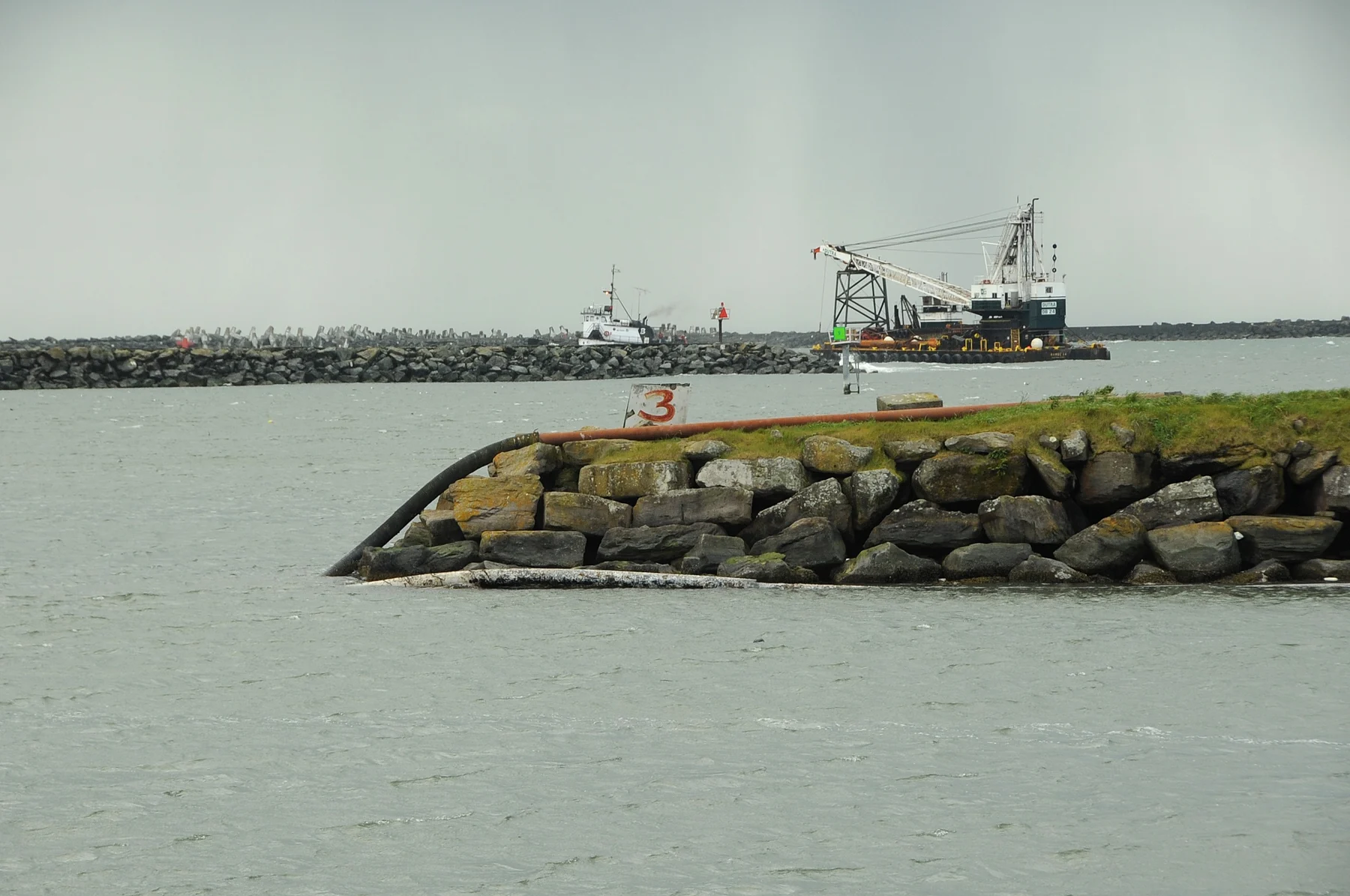
Pier removal, bulkhead demolition and dismantling industrial waterfront structures can involve cranes, cutting, diving and work from barges. Describe the sequence, structural condition, access and nearby operating facilities. Identify utilities, submerged obstructions and any materials known to require special handling. A demolition scope should explain temporary support and protection of structures that remain, rather than focusing only on the final removal quantity.
Review damage, debris and environmental exposures
Discuss liability for collapse, vibration, falling material and damage to adjacent property, together with pollution from disturbed materials or equipment. Review the use of vessels, floating equipment and rented machinery. Debris removal and disposal responsibilities should be traced through transport and destination. General liability and pollution forms can respond to different types of allegations; neither should be described as blanket protection for every consequence of a demolition project.
Build the submission around the removal plan
Provide representative contracts, demolition methods, subcontractor roles, site information and available hazardous-material assessments. Explain who identifies utilities, develops the sequence and approves changes when hidden conditions are discovered. Document disposal arrangements and who owns recovered or salvageable material. If engineering services or structural judgments are supplied by the contractor, disclose that responsibility explicitly. Review the project before mobilization so unusual techniques or contract requirements can be considered while alternatives remain available.
Questions worth asking
Does ordinary construction insurance necessarily include demolition?
No. Disclose the demolition work and methods, and review the operations description, restrictions and applicable endorsements in the issued policies.
Why review the disposal contract?
It can allocate responsibility for debris, contamination, transportation and rejected loads. Those obligations may extend beyond the physical demolition site.