
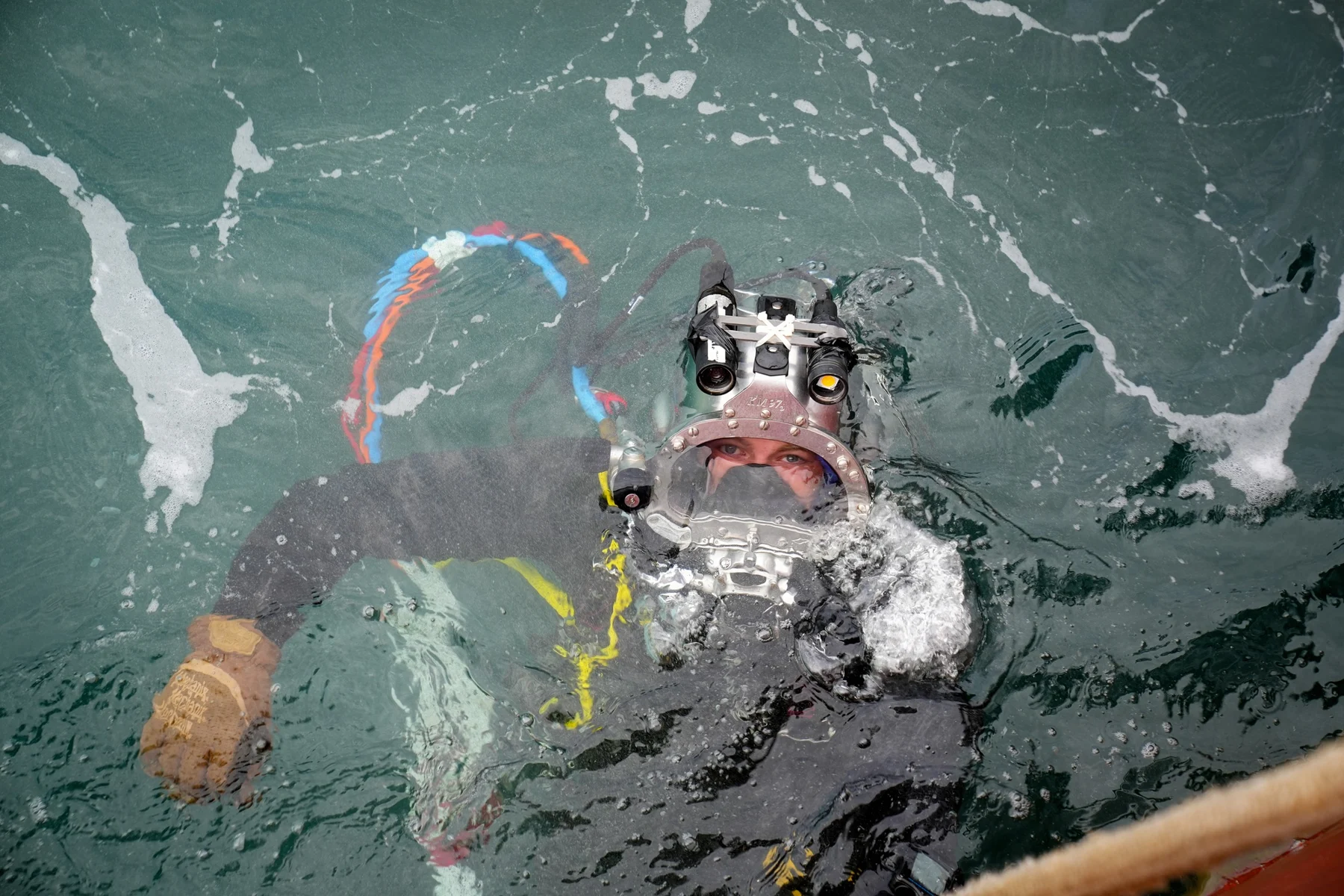
Explain the utility and installation method
Describe pipelines, cables, intakes or outfalls and the methods used for trenching, placement, protection or repair. Identify diving, dredging, directional drilling, barges and shore interfaces where applicable. Clarify whether the utility remains active during the work and who controls isolation. Existing utility records, surveys and access constraints should be described as available information rather than assumed to be complete or accurate.
Review property damage and interruption allegations
Damage may involve the installed utility, nearby infrastructure, a vessel or an operating customer's services. Review general liability, pollution, professional liability and project property coverage for the actual scope. Consider contamination or releases from damaged lines, and distinguish the contractor's responsibility from that of the utility owner. Equipment protection should address the tools, underwater systems and floating assets used. Contractual commitments about uptime, performance or delay require separate review rather than assumptions about insurance reimbursement.
Document interfaces and change management
Provide project plans, utility descriptions, methods, representative contracts and subcontractor responsibilities. Explain who performs locating, engineering, testing and commissioning, and how unexpected obstructions are handled. Identify maximum project values and the facilities potentially affected by a service interruption. Workforce duties should include time spent aboard vessels, diving and work ashore. A coordinated submission helps the broker examine the transition points between land construction, underwater operations and the owner's operating system before those boundaries become disputed after a loss.
Questions worth asking
Does a utility owner's approval determine insurance coverage?
No. Approval can document the agreed work, but the contractor's policies and endorsements still govern their own coverage response.
Why disclose inspection and commissioning services?
They may involve technical conclusions on which the customer relies, raising professional-liability questions distinct from physical installation work.