
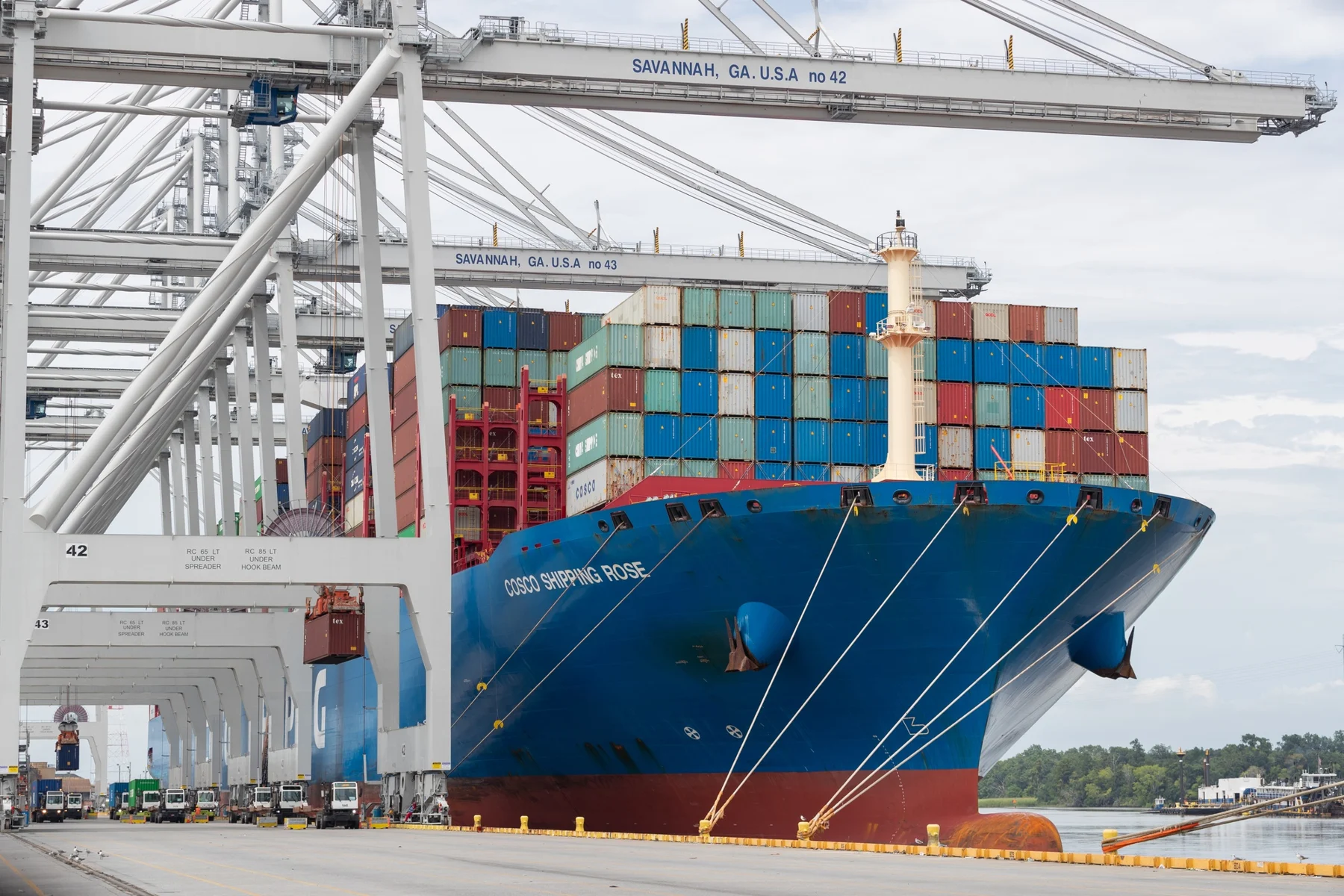
Define the cargo and handling chain
Describe cargo types, maximum values, vessel types and the equipment used for transfer. Container handling differs from heavy project cargo, vehicles or irregular lifts. Identify who provides cranes, rigging, operators and lift direction. Explain when cargo enters the contractor's custody and when that responsibility ends. Include lashing, securing, temporary storage and movement within the terminal if those services form part of the assignment.
Separate cargo liability from other marine liabilities
Review the insurance intended to address liability for cargo damage, vessel damage and third-party injury, together with employee coverage. Examine contractual limitations, assumed liabilities and the insured services rather than assuming a general liability policy answers every cargo claim. The customer's cargo insurance protects a different interest and does not necessarily remove recourse against a handler. Equipment ownership, vessel operation and subcontracted labor can introduce additional policy coordination questions.
Support the account with handling information
Provide cargo profiles, handling volumes, maximum values per movement or location, representative contracts and loss history. Explain equipment inspection, lifting plans for exceptional cargo and subcontractor coordination. OSHA's longshoring and marine terminal framework distinguishes activities and equipment settings; use the applicable official guidance for safety review. Insurance analysis should also consider changes in cargo mix or higher-value projects before they enter the operation, particularly where one lift can concentrate a large portion of the customer's exposure.
Questions worth asking
Is the cargo owner's policy enough for the stevedore?
Not necessarily. The cargo insurer or owner may have recovery rights, and the service contract may impose separate obligations. Review the handler's own liability arrangement.
Why identify who supplies the crane?
Equipment ownership, operational control and contract terms affect the responsibilities to be examined. A supplied crane does not eliminate every exposure of the cargo handler.
Official references
Sources support the related legal or safety topic. Policy review points are general educational guidance.
OSHA: Longshoring and Marine Terminals ↗