
Describe the trade in its marine setting
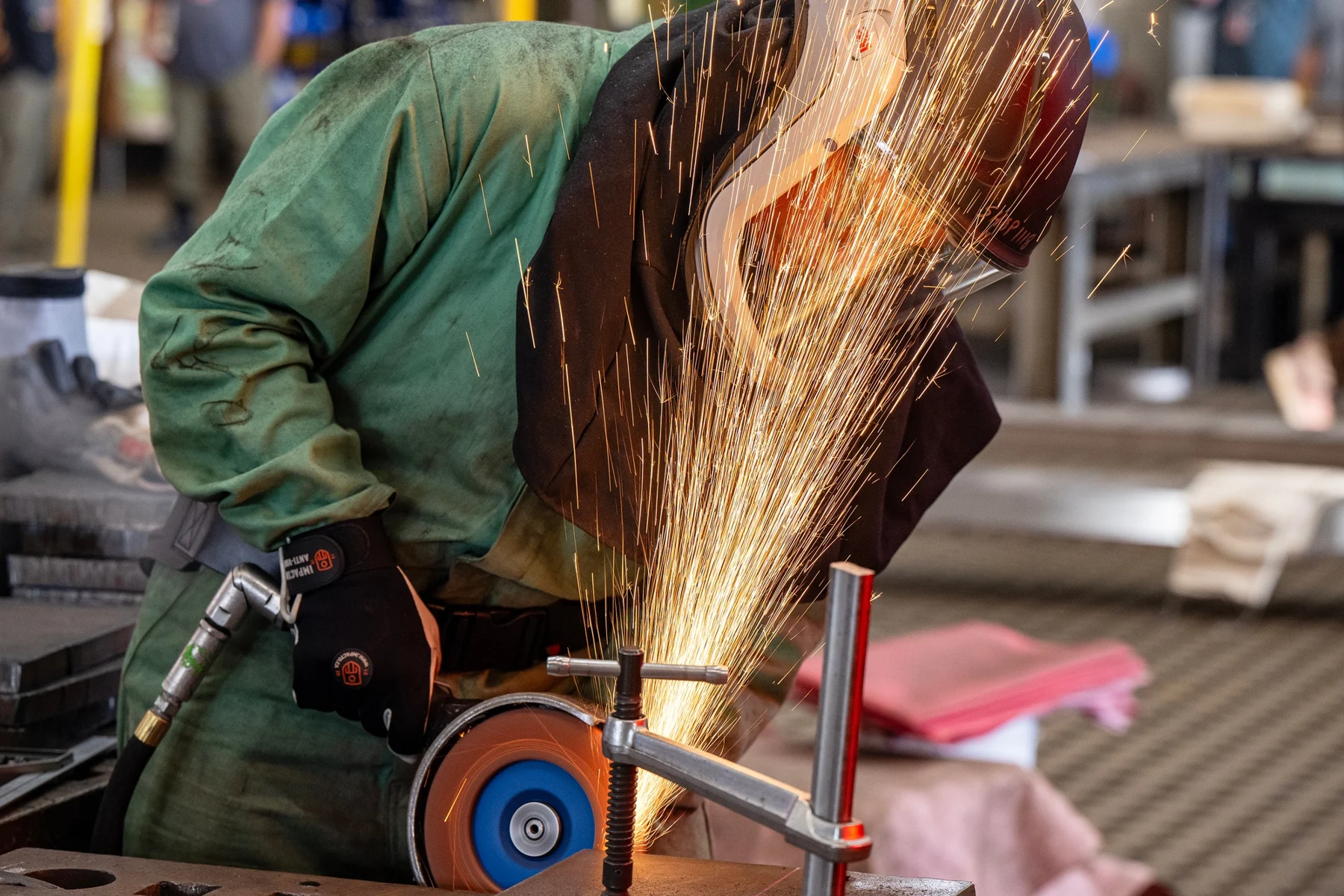
Coatings, insulation, carpentry, fabrication and equipment installation may be performed in a shop, aboard a vessel or on a pier. Explain each setting and the percentage of work it represents. Identify hot work, abrasive blasting, work at height, confined spaces and subcontracted tasks where applicable. A trade name alone does not tell an underwriter whether employees enter vessel tanks, handle contaminated materials or work over water.
Identify the property and obligations involved
Review the distinction between the contractor's work, the customer's vessel or facility and unrelated property nearby. Consider ship repairers liability where appropriate, together with general liability, pollution, professional services and completed operations. If materials or components are supplied, describe installation, testing and warranty commitments. The contractor's own tools and mobile equipment may need attention during transit, aboard a vessel and while temporarily stored at a customer's yard.
Keep the submission consistent with contracts
Provide representative work orders, customer contracts, revenue by activity and location, workforce duties and subcontractor arrangements. Explain who controls the worksite and who provides permits, access, isolation and inspection. Disclose any responsibility for specifying materials or certifying performance. A customer may use a standard marine contract even for a short assignment; reviewing it before mobilization helps identify obligations that exceed the contractor's existing insurance. Revisit the program when the business adds a new trade or operating environment.
Questions worth asking
Does a short visit aboard a vessel remove maritime exposure?
No automatic conclusion follows from duration alone. Describe the actual duties and location so the employee and liability arrangements can be evaluated.
Should shop fabrication and onboard installation be separated?
Yes. Separating those activities helps reviewers understand product, completed-operations, vessel-property and workforce exposures without losing the connection between them.