Describe the material and transfer process
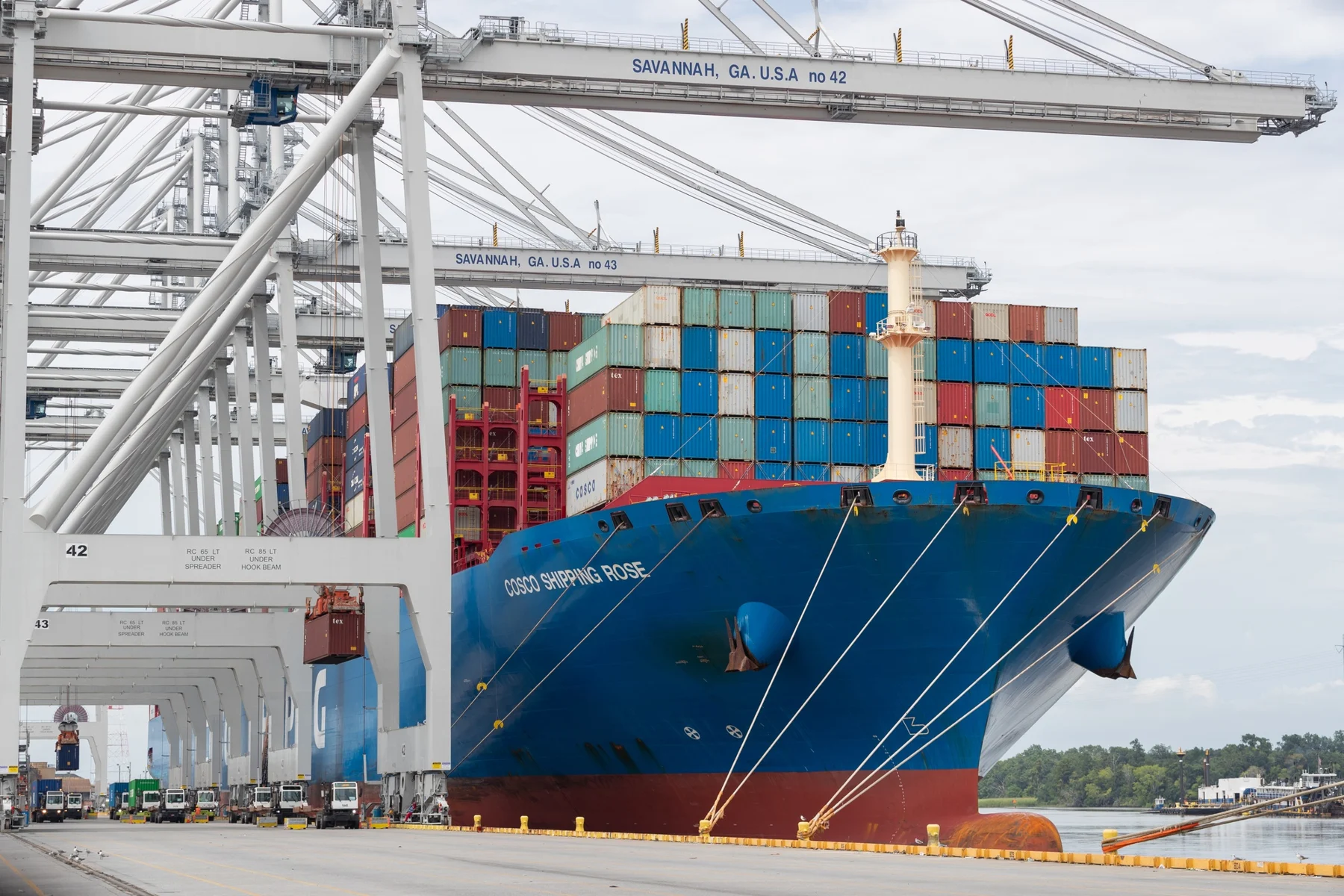
Aggregate, grain, scrap, minerals and other bulk commodities can present very different hazards. Explain whether the contractor loads vessels, operates conveyors, manages stockpiles or only maintains equipment. Identify maximum quantities and values, storage periods and any mixing or contamination sensitivity. The operation's physical flow—from arrival through transfer and departure—helps distinguish responsibility for cargo, equipment and environmental conditions.
Review contamination and equipment interfaces
Consider liability for damaged or contaminated material, spills, dust migration and damage to the transfer system. Pollution insurance, cargo-related liability and general liability should be reviewed for the actual activities. Machinery physical damage and interruption exposures may involve the owner, operator and maintenance contractor differently. Discuss contractual promises about quality, quantity and delivery performance separately from insurable physical damage or liability; an insurance program does not automatically guarantee commercial performance.
Present the controls and contractual boundaries
Useful information includes material descriptions, safety data where relevant, site layout, handling volumes, equipment ownership and representative service agreements. Explain sampling, segregation, housekeeping and procedures for identifying off-specification material. Identify who maintains conveyors and loading equipment and who directs shutdowns. OSHA provides marine terminal guidance, but some facility types and activities require a different applicability analysis. Obtain appropriate safety and environmental advice while separately examining insurance requirements and the allocation of loss between the parties.
Questions worth asking
Does cargo contamination always fall under pollution insurance?
No. Cargo damage and environmental pollution are different questions, and policy definitions and exclusions matter. Describe the event and the property or environment affected.
Should storage be disclosed even if transfer is the main service?
Yes. Temporary accumulation can change values at risk, custody obligations and environmental exposures, even when storage is brief.
Official references
Sources support the related legal or safety topic. Policy review points are general educational guidance.
OSHA: Marine Terminal Applicability ↗