
Define the material before the work
A dredging submission should distinguish navigation maintenance from environmental remediation. Identify available sampling, known contaminants, the work limits, the owner’s characterization of the material and the proposed disposal location. Describe uncertainties honestly. Insurance review should consider what happens if actual sediment differs from the information supplied at bid time. Do not substitute an insurance discussion for engineering, sampling or permit advice.
Follow the sediment through the project
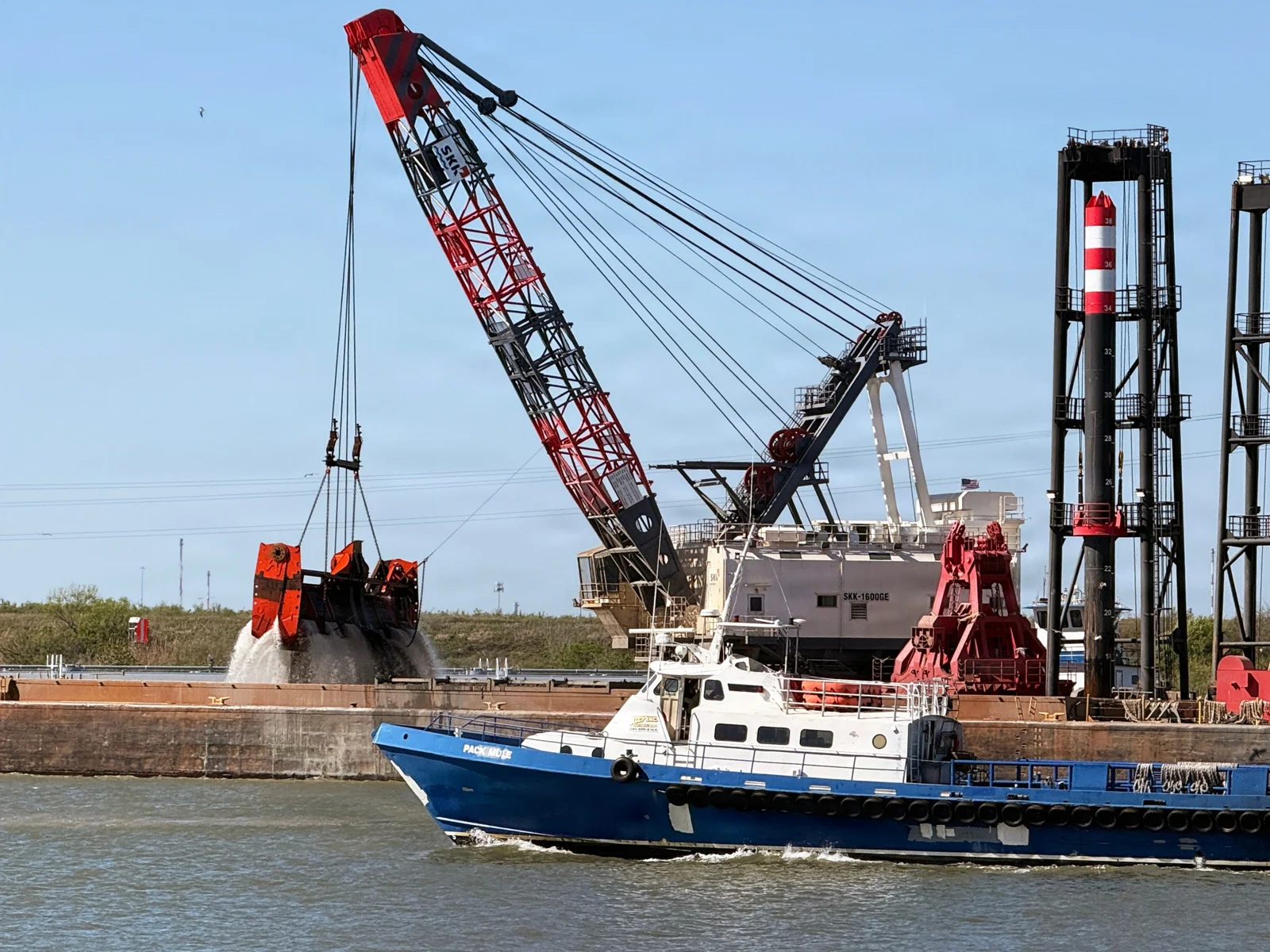
Map excavation, dewatering, temporary stockpiling, barge transport, offloading and final disposal. A release can occur at any transfer point. Identify which parties control each stage and whether they are insured entities, subcontractors or separate facility operators. Review transportation and disposal-site exposures rather than assuming that jobsite pollution insurance follows the material everywhere.
Read the contract alongside the pollution policy
Examine responsibility for pre-existing conditions, unexpected contamination, testing expenses, schedule interruption and changed conditions. A contractual promise to handle contaminated material does not establish insurance coverage. Compare the policy’s treatment of known conditions, remediation work, gradual releases, completed operations and third-party disposal sites. Where coverage is claims-made, discuss continuity, reporting obligations and any relevant retroactive date. Provide the actual scope and environmental reports to the underwriter rather than relying on the broad label “dredging.”
Questions worth asking
Is all dredging treated as environmental remediation?
No. Describe the actual purpose and material. Known contaminated-sediment work can raise different underwriting questions from ordinary maintenance dredging.
Is a disposal facility’s certificate enough?
It is one document. Review the facility agreement, accepted waste, permits with qualified advisers, and applicable insurance evidence; the certificate alone does not define protection.